Green Naga in Honeycomb: The World Beyond — Poisonous Raw, Useful Cooked
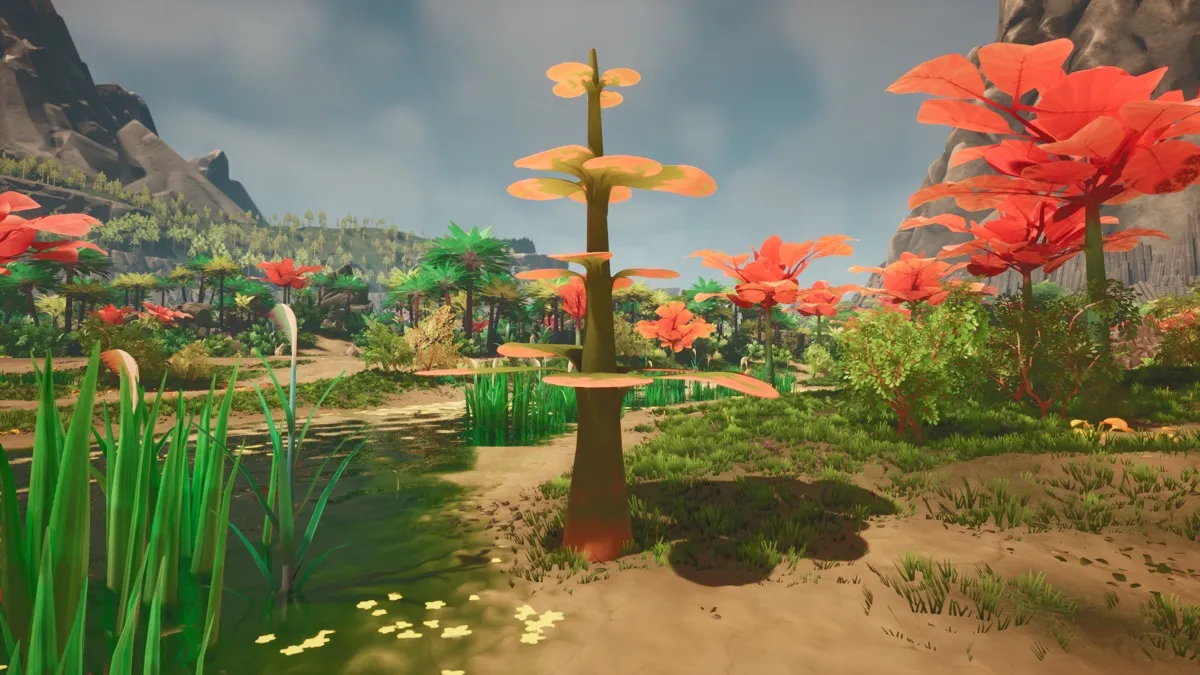
Green Naga in Honeycomb: The World Beyond — the Headlands marsh herb with the arrow-like stem: poisonous raw, a reliable recipe resource once processed.
Is Green Naga safe to eat straight from the ground?
No — and this is the single most important fact on this page. Green Naga produces a bitter, sticky substance that makes it poisonous when consumed raw, per the official SOTA7 Field Survey Log #3. The Headlands is the zone where Sota7 stops being forgiving about grazing: its two signature wetland plants — this one and Ebony Linter — both punish raw snacking, and only Cobalt Sargent is safe straight from the ground.
How do you identify it?
- Tall, arrow-like stem — the silhouette that gives it away at distance.
- Fleshy leaves arranged in a flower-like shape.
- Habitat: marshes, ponds, and lakes across the Headlands (zone guide: Sota7 zones).
The survey calls it “one of the more visually distinctive plants in the Headlands — and one of the more deceptive.” Distinctive is the look; deceptive is the dinner.
So what is it actually for?
Properly processed, it becomes a reliable resource for early and mid-tier recipes that support progression and long-term survival in the field. The word “processed” is the gate: process it, then use it. The Headlands section of the survey frames the zone’s flora as feeding “advanced cooking and crafting as your research progresses” — Green Naga is a textbook example, the cheap abundant input that only pays once your kitchen workflow exists.
A fair working rhythm, consistent with everything the flora hub documents:
- Scan and gather — the survey scopes the danger to eating it raw, so the workflow is gather, then process.
- Never eat it raw; stockpile for processing instead.
- Treat any recipe that calls for it as good early/mid-tier economy.
How does it compare within the Headlands roster?
| Plant | Raw? | Role once processed |
|---|---|---|
| Green Naga | Poisonous | Early/mid-tier recipe resource |
| Ebony Linter | Poisonous | Structural integrity for refined recipes, high-durability gear |
| Cobalt Sargent | Safe | Tea component with IM-X immunostimulant properties |
The pattern is the zone’s design: higher value than the Valley’s Sunbeam Lumus and Sweet Tarax, but every gain asks for a processing step or a habitat risk. Learn the marsh loop here and the Pass’s strategic plants will feel familiar rather than hostile.
Gallery
Related Articles
More from the field survey
guides
Honeycomb: The World Beyond Composter Guide: Biomass from Plant Matter
The Composter in Honeycomb: The World Beyond — how the Second Life quest's biomass loop works, what to feed it, and what the biomass is for.
guides
Honeycomb: The World Beyond Hoverboard Guide: Unlock, Controls & Durability
The hoverboard in Honeycomb: The World Beyond — how to unlock it, how it handles on Sota7, and how its durability scales with difficulty.
guides
Honeycomb: The World Beyond Storage & Rotting Guide: Containers & Fridges
How food rotting works in Honeycomb: The World Beyond — containers slow decay to 15%, powered fridges stop it entirely, and difficulty scales spoilage.
Was this helpful?
Thanks for the feedback!